Supplement myths, busted.
What people say about creatine, protein, caffeine and the rest, checked against the studies.
 Ashwagandha
 is a proven muscle builder.
The strength data are three small manufacturer-linked trials, rated low certainty, and no trial measured muscle directly with imaging.
See the evidence →It's a herb, so it can't hurt you.
Case series document cholestatic liver injury, including deaths in people with existing liver disease, even from single-ingredient products.
See the evidence →Ashwagandha will push testosterone into a higher range.
The pooled rise in men is about 57 ng/dL, and rises stayed within normal physiological ranges.
See the evidence → BCAAs
BCAAs build muscle on their own
They briefly raise protein synthesis but about 50% less than whey with similar BCAAs, and athlete trials show negligible body-composition effects.
See the evidence →BCAAs protect muscle when cutting
Rests on one small industry-funded trial against a carbohydrate drink, whose data were publicly questioned.
See the evidence →Less soreness means faster recovery
Soreness and damage markers fell, but strength and performance recovered no faster.
See the evidence → Beta-alanine
The tingling means beta-alanine is damaging your nerves
A risk assessment of 101 human studies found no adverse effects beyond paraesthesia, with dropout rates similar to placebo. Tingling tracks blood levels, usually fades within 60–90 minutes and is reduced by sustained-release forms.
See the evidence →Beta-alanine works as a pre-workout
A single dose does nothing useful; benefits come from carnosine accumulated over at least 2–4 weeks of daily use.
See the evidence →Beta-alanine depletes muscle taurine
Muscle taurine was unchanged after 10 weeks of supplementation.
See the evidence → Caffeine
 dehydrates you
It causes a minor rise in urine at rest (about 109 mL) and no significant rise during exercise. Four cups of coffee a day hydrated habitual drinkers as well as water.
See the evidence →If you drink coffee every day, caffeine won't work before training
A 60-study meta-analysis found the same benefit (SMD 0.25) regardless of habitual intake, though one 8-week RCT found regular daily use reduced the effect.
See the evidence →More caffeine means better performance
Doses above 6 mg/kg gave no significant extra benefit overall, and ~9 mg/kg brings frequent side effects.
See the evidence → Citrulline malate / L-citrulline
Citrulline gives you a big pump from extra blood flow
Evidence for improved blood flow or muscle perfusion is scarce and inconsistent.
See the evidence →Arginine does the same job
Citrulline raises blood arginine more effectively than arginine itself.
See the evidence →More citrulline malate is better
12 g and 15 g doses showed no clear effect and there was no dose-response.
See the evidence →Citrulline makes you stronger
No significant effect on maximal strength in resistance-trained adults.
See the evidence → CLA
CLA burns belly fat
High-quality trials show no change in fat mass or body-fat percentage.
See the evidence →It works in people like it does in mice
Humans are not as responsive as mice; the fat-free mass gain was under 1%.
See the evidence →It improves insulin sensitivity
The t10,c12 isomer increased insulin resistance by 19% in obese men.
See the evidence → Collagen peptides
Collagen is as good as whey for building muscle
Whey grew more muscle than leucine-matched collagen over 10 weeks.
See the evidence →Collagen makes tendons bigger and stiffer
15 g/day did not enhance tendon adaptations to 15 weeks of training versus placebo.
See the evidence →Collagen does nothing for joints
Two RCTs in young athletes found modestly less activity-related knee pain with 5 g/day.
See the evidence → Creatine monohydrate
Creatine damages your kidneys
In healthy people, meta-analyses of RCTs show only a small rise in blood creatinine (+0.13 mg/dL), a breakdown product of creatine, with no change in eGFR or urea. Trials beyond one year are scarce, and people with kidney disease should ask a doctor.
See the evidence →Creatine makes your hair fall out
This traces to one 2009 rugby study where DHT rose 56% (hair was not measured). A 12-week RCT that measured hair directly found no change in DHT, DHT:testosterone ratio, hair density or thickness.
See the evidence →Creatine just makes you hold water
Loading adds 1–3 kg in the first days, mostly water, but 5–10-week training studies mostly show no rise in total body water relative to muscle, and lean-mass gains persist.
See the evidence →Creatine causes dehydration and cramps
Survey reports of cramping are not borne out by controlled data: in college football players through a hot, humid season, creatine users had less cramping, heat illness and dehydration than non-users (groups were self-selected).
See the evidence → D-aspartic acid
 Dietary nitrate
More beetroot juice is always better
16.8 mmol gave no more endurance benefit than 8.4 mmol.
See the evidence →Any beet product will work
Only 5 of 24 products tested consistently gave at least 5 mmol per serving; check the stated nitrate content.
See the evidence →Nitrate helps elite endurance athletes most
The benefit largely disappears in well-trained athletes (d = 0.021).
See the evidence →Nitrate boosts maximal strength
Effects on 1RM or maximal contraction are trivial or absent; benefits show up in power and reps.
See the evidence → Fenugreek extract
Fenugreek is a proven natural testosterone booster.
The latest meta-analysis rates the evidence very low certainty and says it does not support testosterone-boosting claims.
See the evidence →A small testosterone bump will add muscle.
Pooled lean mass and leg-press changes were not significant even where total testosterone rose.
See the evidence →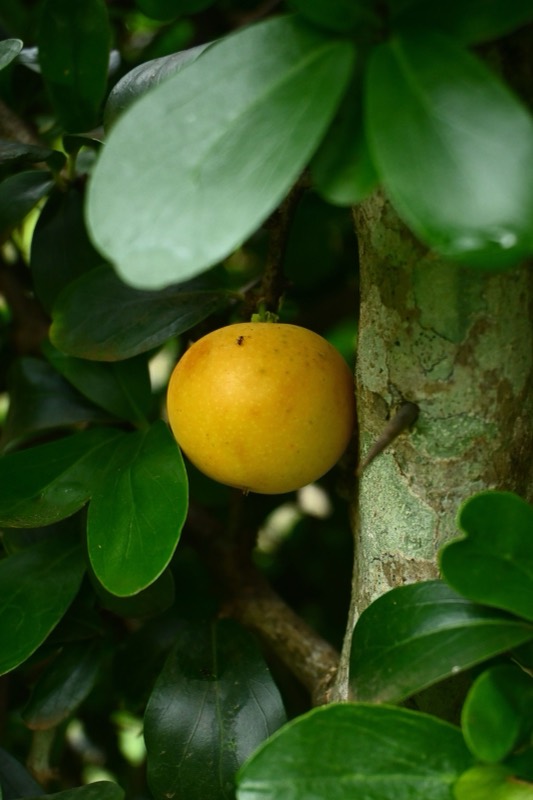 Garcinia cambogia
Garcinia blocks fat so you lose weight without trying
With diet, HCA produced no extra weight or fat loss over placebo in a 12-week JAMA trial.
See the evidence →Normal blood tests in trials prove it is liver-safe
Pooled trials showed no ALT or AST change, but a registry documented rare severe liver injuries including a death.
See the evidence → Glutamine
 builds muscle because muscle is full of it.
In a 6-week training trial and a meta-analysis of athlete trials, glutamine added no lean mass or strength.
See the evidence →Glutamine keeps your immune system strong during hard training.
A meta-analysis found no effect on athletes' immune function; reviews conclude it does not help healthy, well-fed people.
See the evidence →Glutamine delays fatigue so you can train harder.
It improved some fatigue markers such as ammonia build-up, but across 55 studies it did not improve physical performance.
See the evidence → Green tea extract
 melts fat
The Cochrane review found a small, non-significant weight loss unlikely to be clinically important.
See the evidence →It is natural, so it is safe in any dose
At 800 mg EGCG/day or more from supplements, liver enzymes rose in trials, and case reports describe serious liver injury.
See the evidence →It makes you burn more fat during cardio
1 or 7 days of extract did not change fat oxidation during 60 minutes of cycling.
See the evidence → HMB
HMB gives steroid-like gains in trained lifters.
That claim rests largely on one 12-week HMB-FA trial (7.4 kg lean mass vs 2.1 kg placebo) whose reporting was questioned; independent meta-analyses in trained athletes find effect sizes near zero.
See the evidence →If you eat enough leucine you don't need HMB, or vice versa, because they are the same thing.
Only about 5% of leucine becomes HMB, so the body makes just 0.2-0.4 g a day; HMB and leucine are not interchangeable doses.
See the evidence →The free-acid form works much better.
It is absorbed faster and reaches higher blood levels, but that has not been shown to produce bigger muscle or strength gains.
See the evidence → L-carnitine
Carnitine turns body fat into energy, so it melts fat.
Pooled trials show about 1.1-1.3 kg extra weight loss, mostly in people with overweight or obesity, with no change in body-fat percentage.
See the evidence →A carnitine pill tops up your muscles.
Only 14-18% of a supplement dose is absorbed, and muscle takes it up only when insulin is high; raising muscle stores took 24 weeks with 80 g of carbohydrate twice a day.
See the evidence →Taking carnitine before cardio makes you burn more fat in that session.
A systematic review found no benefit for moderate-intensity exercise from either acute or long-term carnitine, and the fat-loss evidence comes from weeks to months of daily use.
See the evidence → Multivitamin / multimineral
A multivitamin is cheap insurance that boosts performance.
It did not change performance in well-nourished active men; the IOC favours nutritional assessment over ad hoc 'insurance' use.
See the evidence →More antioxidants means faster recovery.
High-dose vitamins C and E blunted adaptations to endurance and strength training.
See the evidence →Multivitamins help you live longer.
21 trials found no effect on all-cause mortality.
See the evidence → Omega-3
Fish oil helps you build muscle.
Meta-analyses find no effect on muscle or fat-free mass in healthy adults.
See the evidence →Fish oil makes soreness go away.
The average drop is under one point on a 10-point scale, below what most people notice.
See the evidence →More omega-3 is always better for your heart.
In older adults, doses above 1 g/day carried a higher atrial fibrillation risk.
See the evidence → Protein powder
High-protein diets damage healthy kidneys
Across 28 trials (1,358 people), higher-protein diets did not change kidney filtration rate over time; ISSN-cited trials at 3.4–4.4 g/kg/day for 8 weeks found no harm. People with kidney disease are different.
See the evidence →Protein leaches calcium and weakens bones
A meta-analysis found no adverse effect of higher protein on bone and a small benefit for lumbar-spine density (+0.52%).
See the evidence →Your body can only use 20–30 g of protein per meal
40 g beat 20 g after whole-body training, and 100 g produced a larger, longer anabolic response than 25 g; extra protein is not simply wasted.
See the evidence →You must drink a shake within 30 minutes of training
Timing around workouts had no significant effect once total protein was controlled; muscle stays sensitised to protein for at least 24 hours.
See the evidence → Raspberry ketones
 are clinically proven to burn fat
Evidence comes from cell and rodent studies; no human trial has tested raspberry ketone alone.
See the evidence →It is just a fruit extract, so it must be safe
Supplement doses far exceed food amounts and toxicity data exist only from short rat studies.
See the evidence → Sodium bicarbonate
More bicarbonate means more performance
Single doses above 0.3 g/kg add no benefit and cause more side effects.
See the evidence →Bicarbonate makes you stronger
It does not raise 1RM or peak force (SMD −0.03); it helps you keep going in high-rep and repeated efforts.
See the evidence →Stomach upset is unavoidable
Smaller doses, taking it with a carbohydrate meal, enteric-coated capsules or hydrogel tablets all reduce GI symptoms, though they have not been compared head to head.
See the evidence →One dose will spike your blood pressure
One 0.3 g/kg dose did not change systolic pressure; diastolic rose by 3.3 mmHg, which the authors judged not clinically important.
See the evidence → Tart cherry
 Taurine
 Tribulus terrestris
Tribulus is a natural testosterone booster.
Most human trials find no change in testosterone; small rises were seen only in men with low testosterone, and the erectile-dysfunction meta-analysis found no testosterone difference vs placebo.
See the evidence →Tribulus was the secret behind Bulgarian weightlifting success.
The claim began with Bulgarian promotion of the product; later anti-doping testing found anabolic steroid use among those athletes.
See the evidence →It's a plant, so it's safe for drug-tested athletes.
Pure tribulus did not change the urinary T/E ratio, but some tribulus products have been found contaminated with banned steroids, and the Australian Institute of Sport does not recommend it.
See the evidence → Vitamin D
Mega-dosing vitamin D builds strength.
8000 IU/day raised blood levels nearly fourfold in deficient lifters but added no strength or muscle.
See the evidence →Everyone should get their vitamin D tested.
The Endocrine Society found no trial evidence supporting routine 25(OH)D screening and suggests against it without an established indication.
See the evidence →Vitamin D supplements prevent fractures.
In general adult populations, they did not lower fractures or falls at any dose.
See the evidence → ZMA
ZMA boosts testosterone in lifters.
In trained men with adequate zinc, ZMA did not change total or free testosterone.
See the evidence →ZMA gives deeper sleep.
Two placebo-controlled trials in trained men found no sleep improvement.
See the evidence →More zinc is always better.
Long-term excess zinc can cause copper deficiency, anaemia and impaired immunity.
See the evidence →