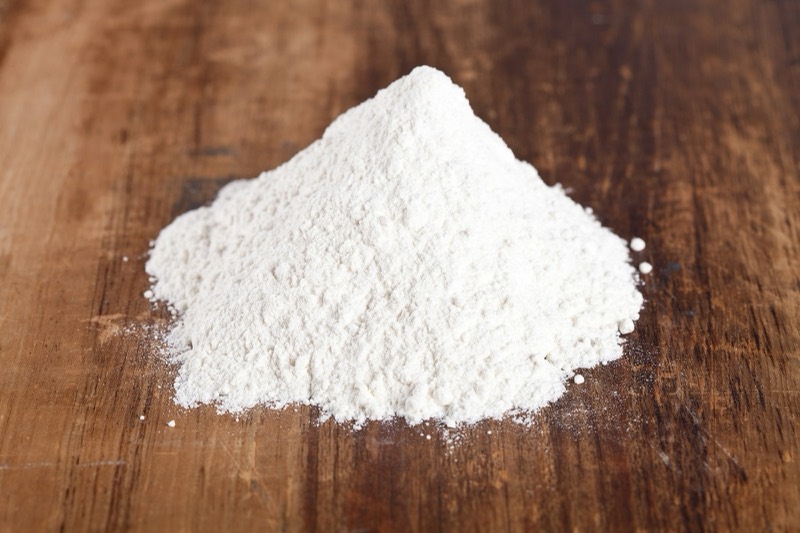
The dose used in studies
0.3 g/kg/day (recovery trial) to 0.9 g/kg lean mass/day (training trial)
Acute intakes of about 20-30 g appear to be without ill effect in healthy adults.
- 0.25-0.9 g/kg fat-free mass, 2 h before exercise
Lowered a gut-permeability marker in the heat at all three doses, most clearly at the highest.[11]
- 0.3 g/kg, 1 h before lifting
No extra repetitions on leg press or bench press.[8]
- 0.3 g/kg/day for 72 h
Less soreness and faster strength recovery after eccentric exercise in one small trial.[1]
- 0.9 g/kg lean mass/day for 6 weeks
No added strength or lean mass.[4]
- 20-30 g acute; 28 g/day for 14 days
No reported harm in healthy people.[3]
Recovery trial measured 24-72 hours after one session; training trial ran 6 weeks.
Which form is best?— hover or tap
Absorbed more efficiently and raised glutamine levels more than free glutamine, mainly in animal studies; no evidence it improves lifting results.[6]
Who benefits most
- Critically ill and major-surgery patients: fewer infections in pooled trials, though no effect on death
- Endurance athletes in the heat: lower gut-permeability markers in most studies, though symptom and performance benefits are unproven
- Healthy, well-fed lifters: no gain in muscle, strength or immunity
- Patients with severe burns: no faster recovery in a 1,200-patient trial
Taking it with other supplements
Adding glutamine to a post-exercise drink gave no extra muscle protein synthesis or glycogen resynthesis.[7]
Is the rest of your stack worth it?
Tick what you take. Keep, drop or add, in about a minute.
More on Glutamine
- [1]Legault Z, et al. The influence of oral L-glutamine supplementation on muscle strength recovery and soreness following unilateral knee extension eccentric exercise. Int J Sport Nutr Exerc Metab. 2015;25(5):417-26. Randomized trial PubMed · DOI
- [2]Ramezani Ahmadi A, et al. The effect of glutamine supplementation on athletic performance, body composition, and immune function: a systematic review and a meta-analysis of clinical trials. Clin Nutr. 2019;38(3):1076-1091. Meta-analysis PubMed · DOI
- [3]Gleeson M. Dosing and efficacy of glutamine supplementation in human exercise and sport training. J Nutr. 2008;138(10):2045S-2049S. Review PubMed · DOI
- [4]Candow DG, et al. Effect of glutamine supplementation combined with resistance training in young adults. Eur J Appl Physiol. 2001;86(2):142-9. Randomized trial PubMed · DOI
- [5]Cruzat V, et al. Glutamine: metabolism and immune function, supplementation and clinical translation. Nutrients. 2018;10(11):1564. Review PubMed · DOI
- [6]Coqueiro AY, Rogero MM, Tirapegui J. Glutamine as an anti-fatigue amino acid in sports nutrition. Nutrients. 2019;11(4):863. Review PubMed · DOI
- [7]Wilkinson SB, et al. Addition of glutamine to essential amino acids and carbohydrate does not enhance anabolism in young human males following exercise. Appl Physiol Nutr Metab. 2006;31(5):518-29. Randomized trial PubMed · DOI
- [8]Antonio J, et al. The effects of high-dose glutamine ingestion on weightlifting performance. J Strength Cond Res. 2002;16(1):157-60. Randomized trial PubMed
- [9]Tao KM, et al. Glutamine supplementation for critically ill adults. Cochrane Database Syst Rev. 2014;(9):CD010050. Meta-analysis PubMed · DOI
- [10]Heyland DK, et al. A randomized trial of enteral glutamine for treatment of burn injuries. N Engl J Med. 2022;387(11):1001-1010. Randomized trial PubMed · DOI
- [11]Pugh JN, et al. Glutamine supplementation reduces markers of intestinal permeability during running in the heat in a dose-dependent manner. Eur J Appl Physiol. 2017;117(12):2569-2577. Randomized trial PubMed · DOI
- [12]Chantler S, et al. A systematic review: role of dietary supplements on markers of exercise-associated gut damage and permeability. PLoS One. 2022;17(4):e0266379. Systematic review PubMed · DOI
- [13]Holecek M. Side effects of long-term glutamine supplementation. JPEN J Parenter Enteral Nutr. 2013;37(5):607-16. Review PubMed · DOI
Last reviewed 03 Oct 2026. Information, not medical advice.