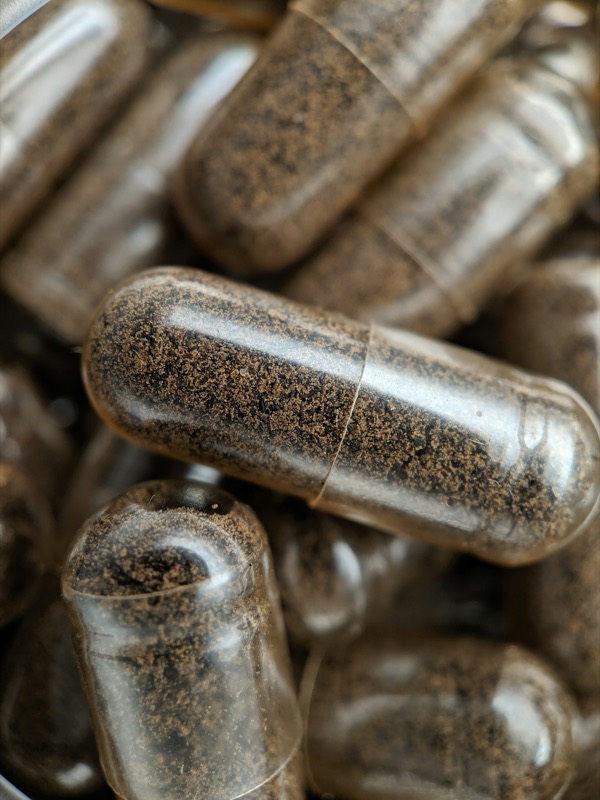
The dose used in studies
1-3 g/day in trials; the weight-loss dose-response analysis suggested about 2 g/day gave the maximum effect
Raising muscle carnitine appears to need months of intake and large carbohydrate doses: one RCT needed 2 g L-carnitine tartrate plus 80 g carbohydrate twice daily for 24 weeks to raise muscle carnitine by 21%.
- 1 g/day vs 3 g/day (GPLC, 8 weeks)
Neither dose raised muscle carnitine or improved aerobic or anaerobic performance.[9]
- 2 g/day
Dose with the maximum weight-loss effect in a dose-response meta-analysis.[2]
- 2-2.72 g/day for 9-24 weeks
Chronic protocols linked to better high-intensity performance in some trials.[8]
- 3-4 g, 60-90 min before exercise
Acute protocols linked to better high-intensity performance in some trials; no benefit for moderate-intensity exercise.[8]
- 2 g LCLT + 80 g carbohydrate, twice daily, 24 weeks
Muscle carnitine rose 21%; carbohydrate alone did nothing.[4]
For weight and recovery, trials used daily dosing for weeks; recovery trials typically loaded for about 3 weeks first. Because muscle uptake depends on insulin, reviewers advise taking carnitine with carbohydrate. Acute protocols that helped in some high-intensity tests used 3-4 g taken 60-90 minutes before exercise.[7][8][10]
Weeks to months; weight-loss trials ran 8-30 weeks.
Which form is best?— hover or tap
Used in 6 of the 11 performance studies in one systematic review (3 used LCLT); no head-to-head comparison with LCLT was found.[8]
Partly absorbed intact (blood ALCAR +43% on 2 g/day), but no exercise trials of ALCAR were found in the sources reviewed.[11]
Up to 3 g/day for 8 weeks did not raise muscle carnitine or performance.[9]
Who benefits most
- Adults with overweight or obesity: the weight-loss effect appeared only in these groups in subgroup analysis
- Untrained people and those doing resistance exercise: soreness benefits appeared only in these groups in one meta-analysis
- Vegetarians: 12 weeks of 2 g/day raised muscle carnitine only in vegetarians, though performance did not change
- Lean, trained lifters: no weight-loss benefit shown outside overweight groups
- Omnivores taking carnitine without carbohydrate: muscle carnitine does not rise
Taking it with other supplements
Is the rest of your stack worth it?
Tick what you take. Keep, drop or add, in about a minute.
More on L-carnitine
- [1]Pooyandjoo M, et al. The effect of (L-)carnitine on weight loss in adults: a systematic review and meta-analysis of randomized controlled trials. Obes Rev. 2016;17(10):970-6. Meta-analysis PubMed · DOI
- [2]Talenezhad N, et al. Effects of l-carnitine supplementation on weight loss and body composition: a systematic review and meta-analysis of 37 randomized controlled clinical trials with dose-response analysis. Clin Nutr ESPEN. 2020;37:9-23. Meta-analysis PubMed · DOI
- [3]Askarpour M, et al. Beneficial effects of l-carnitine supplementation for weight management in overweight and obese adults: an updated systematic review and dose-response meta-analysis of randomized controlled trials. Pharmacol Res. 2020;151:104554. Meta-analysis PubMed · DOI
- [4]Wall BT, et al. Chronic oral ingestion of L-carnitine and carbohydrate increases muscle carnitine content and alters muscle fuel metabolism during exercise in humans. J Physiol. 2011;589(Pt 4):963-73. Randomized trial PubMed · DOI
- [5]Yarizadh H, et al. The effect of L-carnitine supplementation on exercise-induced muscle damage: a systematic review and meta-analysis of randomized clinical trials. J Am Coll Nutr. 2020;39(5):457-468. Meta-analysis PubMed · DOI
- [6]Kazeminasab F, et al. Effects of L-carnitine supplementation on markers of exercise-induced muscle damage in healthy adults: a systematic review and meta-analysis of randomized controlled trials. Adv Exerc Health Sci. 2025. Meta-analysis DOI
- [7]Volek JS, et al. L-Carnitine L-tartrate supplementation favorably affects markers of recovery from exercise stress. Am J Physiol Endocrinol Metab. 2002;282(2):E474-82. Randomized trial PubMed · DOI
- [8]Mielgo-Ayuso J, et al. Effect of acute and chronic oral l-carnitine supplementation on exercise performance based on the exercise intensity: a systematic review. Nutrients. 2021;13(12):4359. Systematic review PubMed · DOI
- [9]Smith WA, et al. Effect of glycine propionyl-L-carnitine on aerobic and anaerobic exercise performance. Int J Sport Nutr Exerc Metab. 2008;18(1):19-36. Randomized trial PubMed · DOI
- [10]Sawicka AK, Renzi G, Olek RA. The bright and the dark sides of L-carnitine supplementation: a systematic review. J Int Soc Sports Nutr. 2020;17(1):49. Systematic review PubMed · DOI
- [11]Rebouche CJ. Kinetics, pharmacokinetics, and regulation of L-carnitine and acetyl-L-carnitine metabolism. Ann N Y Acad Sci. 2004;1033:30-41. Review PubMed · DOI
- [12]Stephens FB, et al. Insulin stimulates L-carnitine accumulation in human skeletal muscle. FASEB J. 2006;20(2):377-9. Randomized trial PubMed · DOI
- [13]Samulak JJ, et al. L-carnitine supplementation increases trimethylamine-N-oxide but not markers of atherosclerosis in healthy aged women. Ann Nutr Metab. 2019;74(1):11-17. Randomized trial PubMed · DOI
- [14]Samulak JJ, et al. Plasma trimethylamine-N-oxide following cessation of L-carnitine supplementation in healthy aged women. Nutrients. 2019;11(6):1322. Randomized trial PubMed · DOI
- [15]Olek RA, et al. Effect of a 3-month L-carnitine supplementation and resistance training program on circulating markers and bone mineral density in postmenopausal women: a randomized controlled trial. Nutr Metab (Lond). 2023;20(1):32. Randomized trial PubMed · DOI
- [16]Fielding R, et al. l-Carnitine supplementation in recovery after exercise. Nutrients. 2018;10(3):349. Review · industry ties PubMed · DOI
Last reviewed 03 Oct 2026. Information, not medical advice.