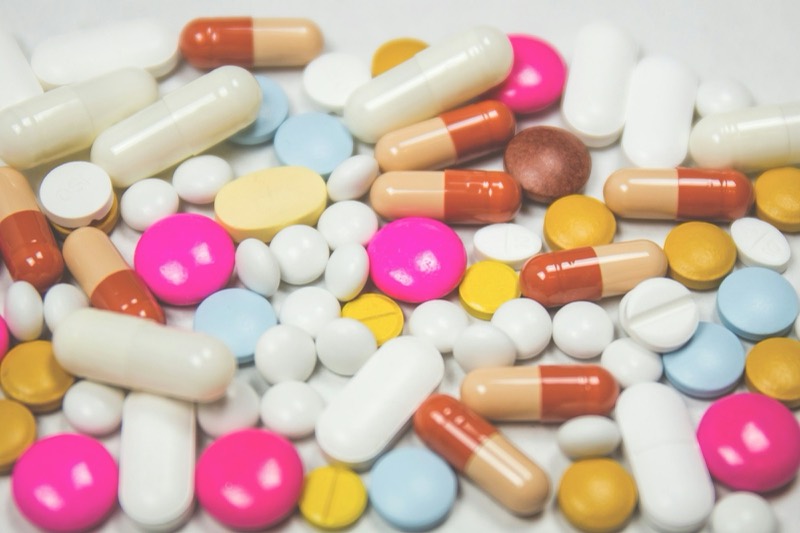
The dose used in studies
One standard once-daily multivitamin (as tested in the Physicians' Health Study II); trials did not use megadoses.
Avoid high-dose antioxidant add-ons around training: 1000 mg vitamin C plus 235 mg vitamin E daily blunted some training adaptations. A diagnosed deficiency (e.g. iron, vitamin D) should be treated specifically rather than with a general multi.
When to take it
How long until it works
No performance effect appeared over 90 days; health trials ran for years.
Which form is best?— hover or tap
Standard multivitamin-multimineralUnknown
Products and definitions vary widely; no form is shown to beat another.[4]
High-dose antioxidant formulas
Who benefits most
Is the rest of your stack worth it?
Tick what you take. Keep, drop or add, in about a minute.
More on Multivitamin / multimineral
- [1]Mangione CM, et al. Vitamin, Mineral, and Multivitamin Supplementation to Prevent Cardiovascular Disease and Cancer: US Preventive Services Task Force Recommendation Statement. JAMA. 2022;327(23):2326-2333. Position stand PubMed · DOI
- [2]Macpherson H, et al. Multivitamin-multimineral supplementation and mortality: a meta-analysis of randomized controlled trials. Am J Clin Nutr. 2013;97(2):437-44. Meta-analysis PubMed · DOI
- [3]Gaziano JM, et al. Multivitamins in the prevention of cancer in men: the Physicians' Health Study II randomized controlled trial. JAMA. 2012;308(18):1871-80. Randomized trial PubMed · DOI
- [4]Wang W, et al. Multivitamin and mineral use: A rapid review of meta-analyses on health outcomes. Ageing Res Rev. 2026;114:102965. Review PubMed · DOI
- [5]Singh A, et al. Chronic multivitamin-mineral supplementation does not enhance physical performance. Med Sci Sports Exerc. 1992;24(6):726-32. Randomized trial PubMed
- [6]Heffernan SM, et al. The Role of Mineral and Trace Element Supplementation in Exercise and Athletic Performance: A Systematic Review. Nutrients. 2019;11(3). Systematic review · industry ties PubMed · DOI
- [7]Maughan RJ, et al. IOC consensus statement: dietary supplements and the high-performance athlete. Br J Sports Med. 2018;52(7):439-455. Position stand PubMed · DOI
- [8]Gonzalez DE, et al. International Society of Sports Nutrition position stand: effects of dietary antioxidants on exercise and sports performance. J Int Soc Sports Nutr. 2026;23(1):2629828. Position stand · industry ties PubMed · DOI
- [9]Paulsen G, et al. Vitamin C and E supplementation hampers cellular adaptation to endurance training in humans: a double-blind, randomised, controlled trial. J Physiol. 2014;592(8):1887-901. Randomized trial PubMed · DOI
- [10]Paulsen G, et al. Vitamin C and E supplementation alters protein signalling after a strength training session, but not muscle growth during 10 weeks of training. J Physiol. 2014;592(24):5391-408. Randomized trial PubMed · DOI
Last reviewed 03 Oct 2026. Information, not medical advice.