← What works
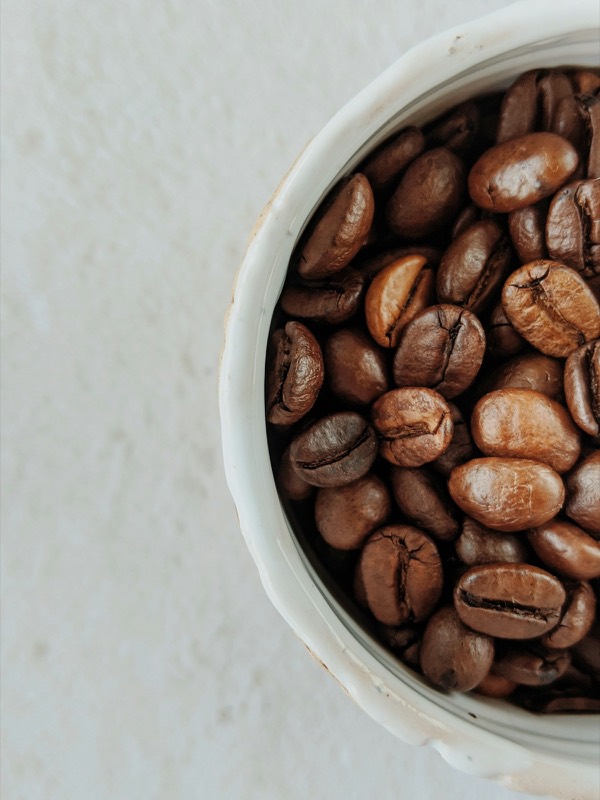
Roasted coffee beans in a white ceramic bowl, seen from above
Specimen PS-CAF · Grade A · 22 papers
WorksABCD
Verdict · backed by research

Caffeine

Worth it for endurance, strength and high intensity. Skip it for fat loss.

Dose3–6 mg/kg
WhenAbout 60 minutes before exercise for capsules or powder
Works afterAcute effect
Evidence22 papers read

Does it work?

The label shows how strong the evidence is, not how big the effect is. Tap a claim to see its papers.

The takeaway

In plain words

For endurance, expect a few percent: 4 mg/kg cut 10-km cycling time by 3% (17.6 vs 18.1 min) in 101 athletes, and pooled time trials improved 2.22%. Strength gains are small (1RM SMD 0.20). In team-sport matches, caffeine increased total running distance and the number of sprints (small effects).[1][5][6][9]

The numbers

Time-trial improvement2.22%pooled endurance time trials vs placebo[1]
10-km cycling time, 4 mg/kg−3%17.6 vs 18.1 min, 101 male athletes[9]
Effect in habitual usersSMD 0.2560 studies; habitual intake did not change the effect[10]

Our top pick

Unived

Unived Natural Caffeine Capsules 200mg, for Energy & Alertness, 60 Vegan Capsules

Top pick
₹9a serving · ₹550 a pack
Dose
200 mg caffeine per capsule
Price
₹550
Cost / serving
₹9

Single-ingredient caffeine at a fixed 200 mg, sold by the brand itself; a 70 kg lifter's 3-6 mg/kg dose is one to two capsules.

No third-party certificate foundFSSAI 1072299800014560 capsules · 60 servingsSold by Unived

Watch out: No Informed Sport/Choice listing found. Unived publishes per-batch COAs from an NABL-accredited lab (unived.com/pages/coa-directory), but those are not a banned-substance certification. Unived's own product page currently says 100 mg per capsule while Amazon and its catalogue say 200 mg, so check the label.

Price seen 2026-10-03View on Amazon
Prices change; the price shown is the one seen on 2026-10-03. Third-party sellers on Amazon can change; check the seller and the certifier’s batch search before you buy. Proven Stack may earn a commission from these links in future. Picks are chosen for form, dose and third-party testing, never for payment.

Up next

Claim by claim— each claim graded on its own

Small but clear improvement: 3.03% higher mean power and 2.22% better time-trial completion time versus placebo at 3-6 mg/kg.[1][2][3][4]

A meta-analysis of 46 placebo-controlled studies and an umbrella review of 21 meta-analyses find consistent endurance benefits, backed by ISSN and IOC statements. Responses vary between individuals.

Each plate is one paper. Taller = stronger study design, wider = more studies pooled. Tap one.

18′20′21′18′
Systematic review2020· Br J Sports Med
Wake up and smell the coffee: caffeine supplementation and exercise performance-an umbrella review of 21 published meta-analyses.

Across 21 meta-analyses, caffeine improved a broad range of exercise tasks; effects on muscle endurance, strength, anaerobic power and aerobic endurance rest on moderate-quality evidence, and are generally larger for aerobic exercise.

Studies pooled
21
Meta-analyses included
21 (from 11 reviews)
GRADE quality
generally moderate
pubmed.ncbi.nlm.nih.govDOI PubMed

Small improvement: standardized mean differences of 0.20 for maximal strength (1RM) and 0.17 for jump power; significant for upper- but not lower-body strength in that analysis.[2][3][5]

Meta-analyses and an umbrella review rated as moderate-quality evidence show significant ergogenic effects on strength and power; the ISSN position stand agrees. Effects are tiny-to-small, so they should be labelled as such.

Each plate is one paper. Taller = stronger study design, wider = more studies pooled. Tap one.

18′20′21′
Systematic review2020· Br J Sports Med
Wake up and smell the coffee: caffeine supplementation and exercise performance-an umbrella review of 21 published meta-analyses.

Across 21 meta-analyses, caffeine improved a broad range of exercise tasks; effects on muscle endurance, strength, anaerobic power and aerobic endurance rest on moderate-quality evidence, and are generally larger for aerobic exercise.

Studies pooled
21
Meta-analyses included
21 (from 11 reviews)
GRADE quality
generally moderate
pubmed.ncbi.nlm.nih.govDOI PubMed

Small but consistent boost: 3–6 mg/kg improved jump height (Δ 0.19), sprint and repeated-sprint speed (Δ 0.16 and 0.14) and, in matches, total running distance (Δ 0.41) and number of sprints (Δ 0.44).[3][6][7]

A meta-analysis of 34 placebo-controlled crossover studies shows small significant effects across jumping, sprinting, agility and match running; a 2025 meta-analysis of 13 studies found higher repeated-sprint peak power, and the ISSN lists sprinting and jumping among caffeine's benefits.

Each plate is one paper. Taller = stronger study design, wider = more studies pooled. Tap one.

19′25′21′
Meta-analysis2019· Res Sports Med
Effects of acute ingestion of caffeine on team sports performance: a systematic review and meta-analysis.

Across 34 crossover studies, 3–6 mg/kg caffeine produced small improvements in jumps, sprints and agility, and more running and sprinting during team-sport matches.

Studies pooled
34
Single jump height
Δ 0.19 (95% CI 0.14–0.25)
Repeated sprint velocity
Δ 0.14 (95% CI 0.03–0.25)
Total match running distance
Δ 0.41 (95% CI 0.20–0.62)
pubmed.ncbi.nlm.nih.govDOI PubMed

One meta-analysis of 13 RCTs suggests caffeine might promote small reductions in weight and fat mass, but results were extremely inconsistent between trials.[8]

The only pooled evidence has very high heterogeneity (I² 91-94%) and is not specific to healthy lifters. Weak, inconsistent human data is Grade C, Not Backed.

Each plate is one paper. Taller = stronger study design, wider = more studies pooled. Tap one.

19′

All key numbers

Time-trial improvement2.22%pooled endurance time trials vs placebo[1]
10-km cycling time, 4 mg/kg−3%17.6 vs 18.1 min, 101 male athletes[9]
Effect in habitual usersSMD 0.2560 studies; habitual intake did not change the effect[10]
Sleep lost−45 mintotal sleep time after caffeine, 24 studies[11]
Daily intake without overt harm≤400 mg/dayhealthy adults; ≤300 mg/day in pregnancy[12]

Evidence timeline— how the evidence built up

Meta-analysis or systematic reviewPosition standTrial or narrative review
201520202025
Every paper cited on this page, placed by publication year. Hover a mark to preview it; select it to jump to the reference.

How it works

Caffeine is a stimulant found naturally in coffee, tea and cocoa and added to soft drinks, energy drinks and pre-workouts; about 90% of Western adults use it regularly. US adults averaged about 200 mg a day in a 2009–2010 survey (Guest 2021), and a 250 mL coffee averages about 107 mg (Gardiner 2023).

Caffeine is absorbed quickly and blocks adenosine receptors in the brain, which reduces perceived effort and fatigue and increases alertness; this central effect is considered the main way it improves performance. It may also help muscle contraction by increasing calcium release and sodium-potassium pump activity. Over 95% is broken down in the liver by the CYP1A2 enzyme, and its half-life is around 4–6 hours.[3]

References

Reviewed 03 Oct 2026 · every PubMed ID checked against PubMed

  1. [1]Southward K, et al. The Effect of Acute Caffeine Ingestion on Endurance Performance: A Systematic Review and Meta-Analysis. Sports Med. 2018;48(8):1913-1928. Meta-analysis PubMed · DOI
  2. [2]Grgic J, et al. Wake up and smell the coffee: caffeine supplementation and exercise performance-an umbrella review of 21 published meta-analyses. Br J Sports Med. 2020;54(11):681-688. Systematic review PubMed · DOI
  3. [3]Guest NS, et al. International society of sports nutrition position stand: caffeine and exercise performance. J Int Soc Sports Nutr. 2021;18(1):1. Position stand PubMed · DOI
  4. [4]Maughan RJ, et al. IOC consensus statement: dietary supplements and the high-performance athlete. Br J Sports Med. 2018;52(7):439-455. Position stand PubMed · DOI
  5. [5]Grgic J, et al. Effects of caffeine intake on muscle strength and power: a systematic review and meta-analysis. J Int Soc Sports Nutr. 2018;15:11. Meta-analysis PubMed · DOI
  6. [6]Salinero JJ, Lara B, Del Coso J. Effects of acute ingestion of caffeine on team sports performance: a systematic review and meta-analysis. Res Sports Med. 2019;27(2):238-256. Meta-analysis PubMed · DOI
  7. [7]Wang Y, et al. Effects of Acute Caffeine Ingestion on Repeated Sprint Ability: A Systematic Review and Meta-Analysis. Nutrients. 2025;17(21):3475. Meta-analysis PubMed · DOI
  8. [8]Tabrizi R, et al. The effects of caffeine intake on weight loss: a systematic review and dos-response meta-analysis of randomized controlled trials. Crit Rev Food Sci Nutr. 2019;59(16):2688-2696. Meta-analysis PubMed · DOI
  9. [9]Guest N, et al. Caffeine, CYP1A2 Genotype, and Endurance Performance in Athletes. Med Sci Sports Exerc. 2018;50(8):1570-1578. Randomized trial PubMed · DOI
  10. [10]Carvalho A, et al. Can I Have My Coffee and Drink It? A Systematic Review and Meta-analysis to Determine Whether Habitual Caffeine Consumption Affects the Ergogenic Effect of Caffeine. Sports Med. 2022;52(9):2209-2220. Meta-analysis PubMed · DOI
  11. [11]Gardiner C, et al. The effect of caffeine on subsequent sleep: A systematic review and meta-analysis. Sleep Med Rev. 2023;69:101764. Meta-analysis PubMed · DOI
  12. [12]Wikoff D, et al. Systematic review of the potential adverse effects of caffeine consumption in healthy adults, pregnant women, adolescents, and children. Food Chem Toxicol. 2017;109(Pt 1):585-648. Systematic review PubMed · DOI
  13. [13]Higgins S, Straight CR, Lewis RD. The Effects of Preexercise Caffeinated Coffee Ingestion on Endurance Performance: An Evidence-Based Review. Int J Sport Nutr Exerc Metab. 2016;26(3):221-39. Systematic review PubMed · DOI
  14. [14]Richardson DL, Clarke ND. Effect of Coffee and Caffeine Ingestion on Resistance Exercise Performance. J Strength Cond Res. 2016;30(10):2892-900. Randomized trial PubMed · DOI
  15. [15]Barreto G, et al. Effects of caffeine chewing gum supplementation on exercise performance: A systematic review and meta-analysis. Eur J Sport Sci. 2023;23(5):714-725. Meta-analysis PubMed · DOI
  16. [16]Kocak A, et al. The Effect of Consuming Caffeine Before Late Afternoon/Evening Training or Competition on Sleep: A Systematic Review with Meta-Analysis. Sports (Basel). 2025;13(9):317. Meta-analysis PubMed · DOI
  17. [17]Barreto G, et al. Caffeine, CYP1A2 Genotype, and Exercise Performance: A Systematic Review and Meta-analysis. Med Sci Sports Exerc. 2024;56(2):328-339. Meta-analysis PubMed · DOI
  18. [18]Wang J, et al. Does ergogenic effect of caffeine supplementation depend on CYP1A2 genotypes? A systematic review with meta-analysis. J Sport Health Sci. 2024;13(4):499-508. Meta-analysis PubMed · DOI
  19. [19]Khodadadi D, et al. Habitual Caffeine Consumption and Training Status Affect the Ergogenicity of Acute Caffeine Intake on Exercise Performance. Sports Health. 2025;17(5):930-941. Randomized trial PubMed · DOI
  20. [20]Antonio J, et al. Part II. Common questions and misconceptions about creatine supplementation: what does the scientific evidence really show?. J Int Soc Sports Nutr. 2025;22(1):2441760. Review PubMed · DOI
  21. [21]Zhang Y, et al. Caffeine and diuresis during rest and exercise: A meta-analysis. J Sci Med Sport. 2015;18(5):569-74. Meta-analysis PubMed · DOI
  22. [22]Killer SC, Blannin AK, Jeukendrup AE. No evidence of dehydration with moderate daily coffee intake: a counterbalanced cross-over study in a free-living population. PLoS One. 2014;9(1):e84154. Randomized trial PubMed · DOI

Dose

3–6 mg/kg body mass

  1. <3 mg/kg (as low as 2 mg/kg)

    Still effective on average (SMD 0.26); the ISSN says the minimal effective dose may be as low as 2 mg/kg.[3][10]

  2. 3–6 mg/kg

    The consistently effective range (SMD 0.26 across 60 studies).[3][10]

  3. >6 mg/kg

    No significant extra benefit overall (SMD 0.11), though one repeated-sprint analysis found larger peak-power gains at ≥6 mg/kg.[7][10]

  4. ~9 mg/kg

    High rate of side effects and not needed for a performance benefit.[3]

Lab note

Timing. Most studies give caffeine about 60 minutes before exercise; gum works best within 15 minutes. For sleep, a typical coffee should be at least 8.8 hours, and a standard pre-workout serving 13.2 hours, before bedtime. Athletes who take 3–6 mg/kg before evening sessions report much worse sleep.[3][11][15][16]

Which form?— hover or tap

Caffeine anhydrous (capsules, tablets, powder)Best studied

Most research uses capsules; plasma levels peaked at about 30 minutes in one small study. Dose is exact.[3]

CoffeeEquivalent

Coffee giving 3–8.1 mg/kg improved endurance in 5 of 9 studies and boosted squat volume in one RCT, but caffeine per cup can vary 8–9-fold between shops.[3][13][14]

Caffeinated chewing gumEquivalent

Absorbed faster through the mouth; worked at ≥3 mg/kg when chewed within 15 minutes of exercise (SMD 0.21 overall).[3][15]

Energy drinks and pre-workoutsEquivalent

Shown to improve performance, likely mainly through their caffeine; other ingredients vary and multi-ingredient products carry contamination risk.[3][4]

Caffeine mouth rinseUnknown

Few studies with mixed results.[3]

Who benefits

Benefit more
  • CYP1A2 AA genotype ('fast metabolisers'): 4 mg/kg cut 10-km time by 6.8%; pooled SMD 0.30
  • Trained athletes: caffeine gum helped trained (SMD 0.23) but not untrained people significantly
Benefit less
  • CYP1A2 CC genotype: 4 mg/kg made riders 13.7% slower in one large trial, but the pooled CC penalty vanished after excluding studies with conflicts of interest
  • Daily caffeine users: a 60-study meta-analysis found no influence of habitual intake, but one 8-week RCT found regular use blunted the effect
  • People prone to caffeine-triggered anxiety (linked to ADORA2A gene variants)

Sources[3][9][10][15][17][18][19]

Stacking

+Creatine

Moderate caffeine (<5 mg/kg/day) likely doesn't cancel creatine; taking caffeine acutely after creatine loading may add benefit. Daily caffeine during creatine loading adds nothing and may cause stomach upset.[20]

In food

FoodAmount
Brewed coffeeabout 107 mg per 250 mL[11]
Pre-workout supplementabout 217.5 mg per standard serving[11]
Red Bull energy drink160 mg per 500 mL[3]
Milk chocolateabout 1 mg per serving[3]

Safety

Caution
Effective doses are generally well tolerated, but side effects rise sharply at very high doses (around 9 mg/kg) and caffeine can disrupt sleep. Individual responses vary, partly due to genetics and habitual intake. A systematic review found up to 400 mg/day is not associated with overt adverse effects in healthy adults (300 mg/day in pregnancy). Caffeine shortened total sleep by 45 minutes on average.
Possible side effects
  • Tachycardia and heart palpitations
  • Anxiety and restlessness
  • Headaches
  • Insomnia and poorer sleep quality
  • Nausea (mainly at ≥9 mg/kg)
Talk to a doctor first if
  • You are prone to anxiety and caffeine is a known trigger (ISSN)
  • You train in the evening and sleep is a priority (caffeine delayed sleep onset in athletes)
  • You are pregnant and would exceed 300 mg/day in total (Wikoff 2017)
Lab note
Buy products certified by Informed Sport, Informed Choice or NSF Certified for Sport. Supplements can contain things that aren’t on the label.

Myths vs research— scroll through

Myth

Caffeine dehydrates you

What the research says

It causes a minor rise in urine at rest (about 109 mL) and no significant rise during exercise. Four cups of coffee a day hydrated habitual drinkers as well as water.[21][22]

Myth

If you drink coffee every day, caffeine won't work before training

What the research says

A 60-study meta-analysis found the same benefit (SMD 0.25) regardless of habitual intake, though one 8-week RCT found regular daily use reduced the effect.[10][19]

Myth

More caffeine means better performance

What the research says

Doses above 6 mg/kg gave no significant extra benefit overall, and ~9 mg/kg brings frequent side effects.[3][10]

FAQ

A 250 mL coffee averages about 107 mg, but shop-bought coffees can vary 8–9-fold, so tablets or gum give a more exact dose.[3][11]

At least 8.8 hours before bed for a typical coffee and 13.2 hours for a standard pre-workout serving.[11]

Probably not needed: caffeine worked whether people had abstained for under 24 h, 24–48 h or over 48 h, though one RCT found brief withdrawal partly restored a blunted effect.[10][19]

Up to 400 mg/day is not linked to overt adverse effects in healthy adults; up to 300 mg/day in pregnancy.[12]

Not necessary. Fast metabolisers (AA) benefit most, but evidence that the CC genotype is harmed is shaky once conflicted studies are removed.[9][17]

  • WADA status confirmed: caffeine is listed on the WADA 2026 Monitoring Program (Stimulants, in-competition only), which by definition covers substances not on the Prohibited List. Source checked: 2026 Monitoring Program text (copy hosted at tennisireland.ie/wp-content/uploads/2025/11/2026-Monitoring-Programme.pdf). The NCAA has its own urinary caffeine limit; not verified here.
  • Guest 2021 (ISSN) states no funding, but several authors disclose supplement-industry ties (Dymatize advisory boards, a coffee company consultancy and patent), and the ISSN has received grants from companies selling caffeine products.
  • Southward 2018 has a published erratum (Sports Med. 2018;48(10):2425-2441); figures used here are from the current PubMed abstract.
  • Tabrizi 2019 reports pooled regression coefficients on a log scale; its percentage figures are hard to interpret, so they are deliberately left out. Heterogeneity was very high.
  • Strength/power effect sizes are small (SMD ~0.2); label them as small on the site. Grgic 2018 found the lower-body strength effect not significant.
  • Records were retrieved through NCBI E-utilities (PubMed pages blocked automated access); safety text came from the PMC full texts of Guest 2021 and Maughan 2018.
  • Pregnancy limit now sourced (Wikoff 2017). Heart conditions and medication interactions were still not assessed from opened sources.
  • New claim (Oct 2026): 'Sprint, jump and team-sport performance' (Grade A, small effects). Existing claims and grades unchanged.
  • Wikoff 2017: the PubMed abstract states no conflicts of interest but does not state funding; industry_funded left null (not verified).
  • Wang 2025 (repeated sprints) reports WMD 5.28 for peak power without units in the abstract; quoted as published.
  • Barreto 2024: only 34 of 440 participants had the CC genotype, and the CC finding depended on studies with reported conflicts of interest.
  • Habitual-use evidence conflicts: Carvalho 2022 (60 studies) found no influence; Khodadadi 2025 (one RCT, 80 inactive men) found habituation reduced the effect.
  • Mechanism, half-life, gum, coffee-content variability and food amounts (Red Bull, chocolate) come from the PMC full text of Guest 2021.
  • Antonio 2025 (creatine-caffeine interaction) authors disclose extensive creatine-industry ties; industry_funded left null.

Where to buy— matched to the researched form and dose

Pick plain caffeine tablets or capsules with a stated dose (usually 200 mg) and nothing else stimulant-like; at 3-6 mg/kg most adults need about 1-2 x 200 mg, and plain coffee works just as well.

Unived

Unived Natural Caffeine Capsules 200mg, for Energy & Alertness, 60 Vegan Capsules

Top pick
₹9a serving · ₹550 a pack
Dose
200 mg caffeine per capsule
Price
₹550
Cost / serving
₹9

Single-ingredient caffeine at a fixed 200 mg, sold by the brand itself; a 70 kg lifter's 3-6 mg/kg dose is one to two capsules.

No third-party certificate foundFSSAI 1072299800014560 capsules · 60 servingsSold by Unived

Watch out: No Informed Sport/Choice listing found. Unived publishes per-batch COAs from an NABL-accredited lab (unived.com/pages/coa-directory), but those are not a banned-substance certification. Unived's own product page currently says 100 mg per capsule while Amazon and its catalogue say 200 mg, so check the label.

Price seen 2026-10-03View on Amazon
Nutrabay

Nutrabay Pro Potent Caffeine Tablets 200mg | Natural Stimulant for Energy, Endurance & Focus, 60 Veg Tablets

Budget pick
₹6a serving · ₹383 a pack
Dose
200 mg caffeine per tablet
Price
₹383
Cost / serving
₹6

Cheap, single-dose 200 mg caffeine tablets that make 3-6 mg/kg dosing easy.

No third-party certificate found60 tablets · 60 servingsSold by RK World Infocom Pvt Ltd

Watch out: No third-party sport certification could be confirmed, so avoid if you are drug-tested.

Price seen 2026-10-03View on Amazon

Prices change; the price shown is the one seen on 2026-10-03. Third-party sellers on Amazon can change; check the seller and the certifier’s batch search before you buy. Proven Stack may earn a commission from these links in future. Picks are chosen for form, dose and third-party testing, never for payment.

0%
Check my stack

Search Proven Stack

Find a supplement or a page