← Save your money
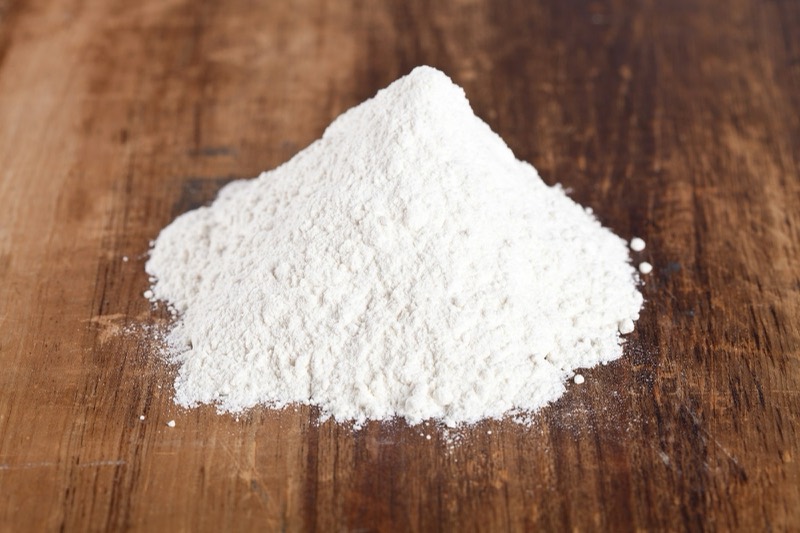
Heap of white powder on a wooden table
Specimen PS-GLU · Grade C · 13 papers
UnclearABCD
Verdict · not backed by research

Glutamine

Not worth it for recovery, muscle gain and health.

Dose0.3 g/kg/day
WhenDaily during the recovery or training period
Works afterRecovery trial measured 24-72 hours after one session
Evidence13 papers read

Does it work?

The label shows how strong the evidence is, not how big the effect is. Tap a claim to see its papers.

Lab note

In plain words

For a lifter, nothing measurable. Over 6 weeks of training, lean mass rose 2% with glutamine and 1.7% with placebo, not a significant difference; 0.3 g/kg before lifting added no reps on leg press or bench press. One 16-person trial found soreness 2.6 vs 3.9 (glutamine vs placebo) 48 hours after eccentric exercise.[1][4][8]

The numbers

Body's own production40-80 g/dayestimated from isotope studies[5]
Typical dietary intake6.85 g/dayfood-frequency data from over 70,000 women[5]
Lean mass gain2% vs 1.7%glutamine vs placebo, 6 weeks of training, not significant[4]

Up next

Dried green tea leaves in a wooden scoop beside a small pile, on white
Next to avoidGreen tea extractSee the verdict →

Claim by claim— each claim graded on its own

One 16-person crossover trial found lower soreness ratings and faster recovery of fast-speed knee strength after eccentric exercise; no meta-analysis of recovery outcomes exists.[1][2][3]

The only direct recovery trial found is small, short and limited to one leg exercise; reviews of glutamine in healthy athletes find little support for performance benefits. A single small positive trial is Grade C.

Each plate is one paper. Taller = stronger study design, wider = more studies pooled. Tap one.

19′08′15′
Meta-analysis2019· Clin Nutr
The effect of glutamine supplementation on athletic performance, body composition, and immune function: A systematic review and a meta-analysis of clinical trials.

Glutamine generally had no effect on athletes' immune function, aerobic performance or body composition, though it was associated with greater weight reduction.

Studies pooled
25
Studies in systematic review
47
Body weight
-1.36 kg (95% CI -2.55 to -0.16)
Lean mass, body fat, VO2max
No effect
pubmed.ncbi.nlm.nih.govDOI PubMed

No added gain: in a 6-week training RCT, lean mass rose 2% with glutamine and 1.7% with placebo, not a significant difference, and a meta-analysis of 25 trials found no effect on body composition.[2][3][4]

A controlled RCT in young lifters and a meta-analysis of athlete trials both find no benefit for muscle or strength. Good trials finding no effect is Grade D.

Each plate is one paper. Taller = stronger study design, wider = more studies pooled. Tap one.

19′08′01′
Meta-analysis2019· Clin Nutr
The effect of glutamine supplementation on athletic performance, body composition, and immune function: A systematic review and a meta-analysis of clinical trials.

Glutamine generally had no effect on athletes' immune function, aerobic performance or body composition, though it was associated with greater weight reduction.

Studies pooled
25
Studies in systematic review
47
Body weight
-1.36 kg (95% CI -2.55 to -0.16)
Lean mass, body fat, VO2max
No effect
pubmed.ncbi.nlm.nih.govDOI PubMed

No benefit in healthy athletes: a meta-analysis found glutamine generally had no effect on athletes' immune function, and reviews conclude it does not improve immune surveillance in healthy, well-fed people.[2][3][5]

The immune theory rests on a fall in blood glutamine after hard exercise, but controlled studies in healthy, well-nourished people do not show immune benefits. Benefits on infection are limited to critically ill or surgical patients. Good null evidence in healthy people is Grade D.

Each plate is one paper. Taller = stronger study design, wider = more studies pooled. Tap one.

19′18′08′
Meta-analysis2019· Clin Nutr
The effect of glutamine supplementation on athletic performance, body composition, and immune function: A systematic review and a meta-analysis of clinical trials.

Glutamine generally had no effect on athletes' immune function, aerobic performance or body composition, though it was associated with greater weight reduction.

Studies pooled
25
Studies in systematic review
47
Body weight
-1.36 kg (95% CI -2.55 to -0.16)
Lean mass, body fat, VO2max
No effect
pubmed.ncbi.nlm.nih.govDOI PubMed
Review2018· Nutrients
Glutamine: Metabolism and Immune Function, Supplementation and Clinical Translation.

Glutamine is the body's most abundant amino acid and fuels immune cells; it can become essential in critical illness, but in healthy people on a balanced diet supplements do not improve immune surveillance.

Body's own production (full text)
40-80 g/day
Typical dietary intake (full text, citing Lenders 2009)
6.85 ± 2.19 g/day
Share of free amino acids in muscle (full text)
50-60%
pubmed.ncbi.nlm.nih.govDOI PubMed

All key numbers

Body's own production40-80 g/dayestimated from isotope studies[5]
Typical dietary intake6.85 g/dayfood-frequency data from over 70,000 women[5]
Lean mass gain2% vs 1.7%glutamine vs placebo, 6 weeks of training, not significant[4]
Infections in critically illRR 0.7953 trials in ICU and major-surgery patients; mortality unchanged[9]
Burn-patient recovery40 vs 38 daysmedian time to discharge, glutamine vs placebo, 1,200 patients[10]

Evidence timeline— how the evidence built up

Meta-analysis or systematic reviewTrial or narrative review
20002005201020152020
Every paper cited on this page, placed by publication year. Hover a mark to preview it; select it to jump to the reference.

How it works

Glutamine is the most abundant amino acid in the body, making up 50-60% of the free amino acids in muscle. The body makes an estimated 40-80 g a day, and a typical diet adds about 6.85 g a day from protein foods, so it is rarely in short supply in healthy people.

Hard exercise can lower blood glutamine, and immune and gut cells use glutamine as fuel, so the marketing claim is that supplements protect immunity and stop muscle breakdown. The theory breaks down early: a high proportion of swallowed glutamine is kept by gut cells and only small amounts reach the blood. Adding glutamine to a post-workout amino acid and carbohydrate drink did not raise muscle protein synthesis or glycogen refilling. Its best-supported effects are local to the gut and in critical illness.[3][5][6][7]

References

Reviewed 03 Oct 2026 · every PubMed ID checked against PubMed

  1. [1]Legault Z, et al. The influence of oral L-glutamine supplementation on muscle strength recovery and soreness following unilateral knee extension eccentric exercise. Int J Sport Nutr Exerc Metab. 2015;25(5):417-26. Randomized trial PubMed · DOI
  2. [2]Ramezani Ahmadi A, et al. The effect of glutamine supplementation on athletic performance, body composition, and immune function: a systematic review and a meta-analysis of clinical trials. Clin Nutr. 2019;38(3):1076-1091. Meta-analysis PubMed · DOI
  3. [3]Gleeson M. Dosing and efficacy of glutamine supplementation in human exercise and sport training. J Nutr. 2008;138(10):2045S-2049S. Review PubMed · DOI
  4. [4]Candow DG, et al. Effect of glutamine supplementation combined with resistance training in young adults. Eur J Appl Physiol. 2001;86(2):142-9. Randomized trial PubMed · DOI
  5. [5]Cruzat V, et al. Glutamine: metabolism and immune function, supplementation and clinical translation. Nutrients. 2018;10(11):1564. Review PubMed · DOI
  6. [6]Coqueiro AY, Rogero MM, Tirapegui J. Glutamine as an anti-fatigue amino acid in sports nutrition. Nutrients. 2019;11(4):863. Review PubMed · DOI
  7. [7]Wilkinson SB, et al. Addition of glutamine to essential amino acids and carbohydrate does not enhance anabolism in young human males following exercise. Appl Physiol Nutr Metab. 2006;31(5):518-29. Randomized trial PubMed · DOI
  8. [8]Antonio J, et al. The effects of high-dose glutamine ingestion on weightlifting performance. J Strength Cond Res. 2002;16(1):157-60. Randomized trial PubMed
  9. [9]Tao KM, et al. Glutamine supplementation for critically ill adults. Cochrane Database Syst Rev. 2014;(9):CD010050. Meta-analysis PubMed · DOI
  10. [10]Heyland DK, et al. A randomized trial of enteral glutamine for treatment of burn injuries. N Engl J Med. 2022;387(11):1001-1010. Randomized trial PubMed · DOI
  11. [11]Pugh JN, et al. Glutamine supplementation reduces markers of intestinal permeability during running in the heat in a dose-dependent manner. Eur J Appl Physiol. 2017;117(12):2569-2577. Randomized trial PubMed · DOI
  12. [12]Chantler S, et al. A systematic review: role of dietary supplements on markers of exercise-associated gut damage and permeability. PLoS One. 2022;17(4):e0266379. Systematic review PubMed · DOI
  13. [13]Holecek M. Side effects of long-term glutamine supplementation. JPEN J Parenter Enteral Nutr. 2013;37(5):607-16. Review PubMed · DOI

Dose

0.3 g/kg/day (recovery trial) to 0.9 g/kg lean mass/day (training trial)

  1. 0.25-0.9 g/kg fat-free mass, 2 h before exercise

    Lowered a gut-permeability marker in the heat at all three doses, most clearly at the highest.[11]

  2. 0.3 g/kg, 1 h before lifting

    No extra repetitions on leg press or bench press.[8]

  3. 0.3 g/kg/day for 72 h

    Less soreness and faster strength recovery after eccentric exercise in one small trial.[1]

  4. 0.9 g/kg lean mass/day for 6 weeks

    No added strength or lean mass.[4]

  5. 20-30 g acute; 28 g/day for 14 days

    No reported harm in healthy people.[3]

Lab note

Timing. No timing has been shown to help muscle or strength. The gut-permeability trial gave glutamine 2 hours before running; the lifting trial gave it 1 hour before, with no effect.[8][11]

Which form?— hover or tap

L-glutamine (free form)Best studied

Used in the muscle, strength and recovery trials; none showed muscle or strength benefits.[4][8]

L-alanyl-L-glutamine (dipeptide)Unknown

Absorbed more efficiently and raised glutamine levels more than free glutamine, mainly in animal studies; no evidence it improves lifting results.[6]

Who benefits

Benefit more
  • Critically ill and major-surgery patients: fewer infections in pooled trials, though no effect on death
  • Endurance athletes in the heat: lower gut-permeability markers in most studies, though symptom and performance benefits are unproven
Benefit less
  • Healthy, well-fed lifters: no gain in muscle, strength or immunity
  • Patients with severe burns: no faster recovery in a 1,200-patient trial

Sources[4][5][9][10][11][12]

Stacking

+Essential amino acids + carbohydrate

Adding glutamine to a post-exercise drink gave no extra muscle protein synthesis or glycogen resynthesis.[7]

In food

FoodAmount
Protein foods (meat, dairy, eggs, soy, grains)About 6.85 g/day in total from a typical diet[5]

Safety

Caution
Short-term intakes of 20-30 g and 28 g/day for 14 days caused no reported harm in healthy people. A review raises theoretical concerns about chronic high intake (~40 g/day) affecting amino acid transport and ammonia handling, without long-term trials.
Possible side effects
  • Possible alterations in amino acid balance and ammonia handling with chronic high intake (theoretical)
Talk to a doctor first if
  • You have liver disease or a condition affecting ammonia metabolism, without medical advice
Lab note
Buy products certified by Informed Sport, Informed Choice or NSF Certified for Sport. Supplements can contain things that aren’t on the label.

Myths vs research— scroll through

Myth

Glutamine builds muscle because muscle is full of it.

What the research says

In a 6-week training trial and a meta-analysis of athlete trials, glutamine added no lean mass or strength.[2][4]

Myth

Glutamine keeps your immune system strong during hard training.

What the research says

A meta-analysis found no effect on athletes' immune function; reviews conclude it does not help healthy, well-fed people.[2][3][5]

Myth

Glutamine delays fatigue so you can train harder.

What the research says

It improved some fatigue markers such as ammonia build-up, but across 55 studies it did not improve physical performance.[6]

FAQ

Most studies show lower gut-permeability markers, especially with larger doses taken 2 hours before exercise in the heat, but it is unclear whether this reduces symptoms or improves performance.[11][12]

Acute doses of about 20-30 g and 28 g/day for 14 days caused no reported harm in healthy people. Chronic high intakes (about 40 g/day) have not been studied long term.[3][13]

In critical illness the body's demand can outstrip supply, and pooled trials show fewer infections (RR 0.79), though no effect on death, and a large burn trial found no benefit.[5][9][10]

About 6.85 g a day from food on average, plus an estimated 40-80 g a day made by your own body.[5]

  • Recovery is graded C rather than the provisional D because one small, placebo-controlled RCT is positive; it has not been replicated in the sources found.
  • The meta-analysis's weight-reduction finding (-1.36 kg) is in athletes generally and the authors still conclude no effect on body composition; not used as a fat-loss claim.
  • A 2015 Spanish-language systematic review (Nutr Hosp, PMID 26545503) found insufficient data on glutamine for strength recovery in adults with strength deficits; opened, not cited (clinical population).
  • Added an 'Immune support' claim at Grade D (3 Oct 2026); no existing grade changed.
  • Production (40-80 g/day), dietary intake (6.85 g/day), the muscle free-amino-acid share and the statement that supplements do not improve immune surveillance in healthy people on a balanced diet come from the Cruzat 2018 full text; the 'gut cells retain most swallowed glutamine' point and the dipeptide comparison come from the Coqueiro 2019 full text.
  • Ogden 2022 (Eur J Sport Sci, PMID 34726114) found a lower dose (0.3 g/kg fat-free mass, 1 h before) made gut permeability worse during high-intensity running in the heat. Opened but not cited because the abstract does not say the order was randomized; it shows the gut benefit is dose-dependent and not guaranteed.
  • Lenders 2009 (Eur J Clin Nutr, PMID 19756030) estimates glutamine at about 4.8% of beef protein and 8.1% of milk protein; opened but not cited (a food-composition study, not an allowed source type).
0%
Check my stack

Search Proven Stack

Find a supplement or a page