← Save your money
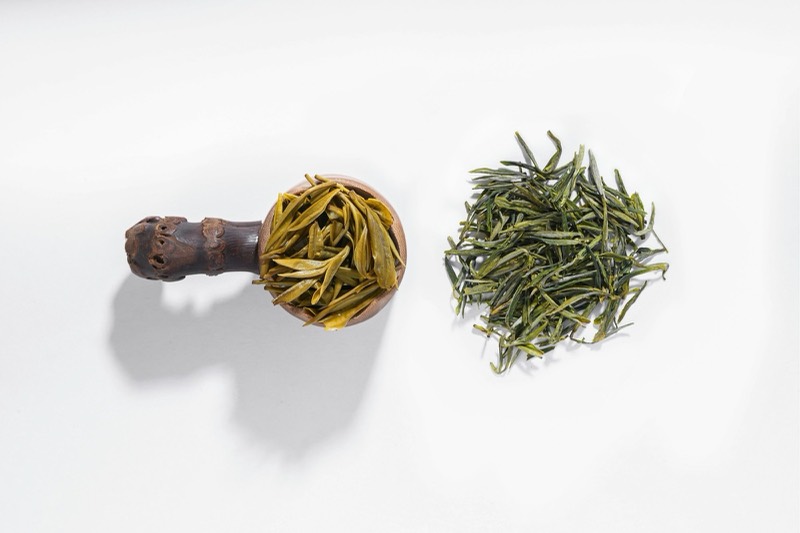
Dried green tea leaves in a wooden scoop beside a small pile, on white
Specimen PS-GRETEA · Grade C · 13 papers
UnclearABCD
Verdict · not backed by research

Green tea extract

Not worth it for fat loss.

DoseNo proven dose; EGCG <800 mg/day
WhenWith food, not on an empty stomach
Works afterWeight trials ran 12 weeks or longer
Evidence13 papers read

Does it work?

The label shows how strong the evidence is, not how big the effect is. Tap a claim to see its papers.

Lab note

In plain words

For a typical lifter the effect on body weight is near zero to about 1 kg over 12 weeks. Outside Japan, the Cochrane review found -0.04 kg versus control; other pooled estimates are about -1.31 kg, and on top of exercise the extra effect was small (SMD -0.30).[1][2][3]

The numbers

Weight change vs control (outside Japan)-0.04 kgCochrane, 6 trials, 532 overweight adults, 12-13 weeks[1]
Weight change vs control-1.31 kg11-study meta-analysis, catechins or EGCG-caffeine[2]
Extra weight loss with exerciseSMD -0.3010 RCTs, overweight or obese; authors call it quite minimal[3]

Up next

Claim by claim— each claim graded on its own

Small at best: a Cochrane review found -0.04 kg versus control in trials outside Japan, and with exercise the added effect was described as quite minimal.[1][2][3][4][5]

Meta-analyses disagree: some show statistically significant but small reductions (about 1 kg), while the Cochrane review and a large herbal-medicine meta-analysis find no meaningful effect. Benefit looks larger in Japanese trials and low caffeine users. Weak and mixed for trained adults, so Grade C.

Each plate is one paper. Taller = stronger study design, wider = more studies pooled. Tap one.

24′20′09′24′12′
Meta-analysis2024· Br J Nutr
The effects of green tea extract supplementation on body composition, obesity-related hormones and oxidative stress markers: a grade-assessed systematic review and dose-response meta-analysis of randomised controlled trials.

Across 59 RCTs, green tea extract significantly reduced body mass, BMI and body-fat percentage but not fat mass; certainty of evidence ranged from low to high.

Studies pooled
59
Participants
3,802
Trials / participants
59 RCTs, 3802 people
Fat mass
No significant effect
pubmed.ncbi.nlm.nih.govDOI PubMed
Meta-analysis2020· Diabetes Obes Metab
Effectiveness of herbal medicines for weight loss: A systematic review and meta-analysis of randomized controlled trials.

In 54 placebo-controlled trials of overweight or obese adults, single-agent green tea (Camellia sinensis) and Garcinia cambogia showed no effect on weight; no herbal medicine could be recommended.

Studies pooled
54
Clinically significant threshold used
≥2.5 kg
Green tea alone
No effect
Garcinia alone
No effect
pubmed.ncbi.nlm.nih.govDOI PubMed
Meta-analysis2009· Int J Obes (Lond)
The effects of green tea on weight loss and weight maintenance: a meta-analysis.

Catechins or an EGCG-caffeine mix produced a small weight loss and helped maintain weight; the effect looked smaller in high habitual caffeine users and Caucasians, though those differences were not significant alone.

Studies pooled
11
Weight change vs control
-1.31 kg
Low habitual caffeine
-1.60 kg
High habitual caffeine (>300 mg/day)
-0.27 kg
pubmed.ncbi.nlm.nih.govDOI PubMed
Meta-analysis2024· J Int Soc Sports Nutr
Does green tea catechin enhance weight-loss effect of exercise training in overweight and obese individuals? a systematic review and meta-analysis of randomized trials.

Adding green tea to exercise training in overweight or obese people gave a small, consistent extra drop in weight, BMI and fat, described by the authors as quite minimal.

Studies pooled
10
Weight (SMD)
-0.30 (CI -0.53 to -0.07)
Fat (SMD)
-0.29 (CI -0.57 to -0.01)
Trials
10 randomized trials
pubmed.ncbi.nlm.nih.govDOI PubMed
Meta-analysis2012· Cochrane Database Syst Rev
Green tea for weight loss and weight maintenance in overweight or obese adults.

In overweight or obese adults, green tea preparations caused a small, non-significant weight loss judged unlikely to be clinically important, and did not help maintain weight loss.

Weight change, trials outside Japan
-0.04 kg (95% CI -0.5 to 0.4); 6 trials, 532 people
Weight change, Japanese trials
-0.2 to -3.5 kg (not poolable; 1030 people)
Waist, trials outside Japan
-0.2 cm (95% CI -1.4 to 0.9)
pubmed.ncbi.nlm.nih.govDOI PubMed

Inconsistent: 1-7 days of extract did not change fat oxidation in cycling men, and 8 weeks of decaf extract alone did not change it in exercisers.[6][7][8]

A meta-analysis of 8 RCTs found a small rise in daily energy expenditure but no significant change in fat oxidation, and its authors work for an extract maker. Exercise trials are mostly null. Grade C.

Each plate is one paper. Taller = stronger study design, wider = more studies pooled. Tap one.

17′21′13′
Meta-analysis2017· J Nutr BiochemIndustry ties
Physiological effects of epigallocatechin-3-gallate (EGCG) on energy expenditure for prospective fat oxidation in humans: A systematic review and meta-analysis.

Across 8 RCTs, EGCG slightly lowered the respiratory quotient and raised daily energy expenditure; fat oxidation itself did not change significantly. Authors work for a green tea extract manufacturer.

Studies pooled
8
Energy expenditure
+158.05 kJ/day (95% CI 4.72 to 311.38)
Respiratory quotient
-0.02 (95% CI -0.04 to 0.00)
Fat oxidation
Not significant
pubmed.ncbi.nlm.nih.govDOI PubMed
Randomized trial2021· Nutrients
The Impact of Decaffeinated Green Tea Extract on Fat Oxidation, Body Composition and Cardio-Metabolic Health in Overweight, Recreationally Active Individuals.

In 27 overweight, regularly exercising adults, 8 weeks of decaffeinated green tea extract (400 mg/day EGCG) alone did not change fat oxidation or body composition; only a version with added quercetin and alpha-lipoic acid improved fat oxidation.

Participants
27
dGTE alone, body composition
Largely unaffected
dGTE+ max fat oxidation
154.4 to 224.6 mg/min
pubmed.ncbi.nlm.nih.govDOI PubMed

All key numbers

Weight change vs control (outside Japan)-0.04 kgCochrane, 6 trials, 532 overweight adults, 12-13 weeks[1]
Weight change vs control-1.31 kg11-study meta-analysis, catechins or EGCG-caffeine[2]
Extra weight loss with exerciseSMD -0.3010 RCTs, overweight or obese; authors call it quite minimal[3]
Extra energy expenditure+158.05 kJ/dayEGCG vs placebo, 8 RCTs (industry authors)[6]
EGCG dose that raised liver enzymes≥800 mg/daysupplement form, EFSA review of trials[9]
Moderate or worse liver abnormality5.1% of users843 mg EGCG/day for 12 months, OR 7.0 vs placebo[10]

Evidence timeline— how the evidence built up

Meta-analysis or systematic reviewPosition standTrial or narrative review
2010201520202025
Every paper cited on this page, placed by publication year. Hover a mark to preview it; select it to jump to the reference.

How it works

Green tea extract is a concentrated preparation of the catechins in Camellia sinensis leaves, the most important being EGCG. Drinking green tea in the EU provides about 90-300 mg EGCG/day on average (up to 866 mg/day in heavy drinkers); supplements provide 5-1,000 mg/day (EFSA 2018).

Catechins, alone or with the caffeine naturally in tea, are thought to raise energy expenditure and fat use. In a meta-analysis EGCG modestly increased daily energy expenditure and lowered the respiratory quotient, but fat oxidation did not change significantly. In exercising men, a week of extract increased fat release into the blood without increasing the fat actually burned.[2][6][7]

References

Reviewed 03 Oct 2026 · every PubMed ID checked against PubMed

  1. [1]Jurgens TM, et al. Green tea for weight loss and weight maintenance in overweight or obese adults. Cochrane Database Syst Rev. 2012;12(12):CD008650. Meta-analysis PubMed · DOI
  2. [2]Hursel R, et al. The effects of green tea on weight loss and weight maintenance: a meta-analysis. Int J Obes (Lond). 2009;33(9):956-61. Meta-analysis PubMed · DOI
  3. [3]Gholami F, et al. Does green tea catechin enhance weight-loss effect of exercise training in overweight and obese individuals? a systematic review and meta-analysis of randomized trials. J Int Soc Sports Nutr. 2024;21(1):2411029. Meta-analysis PubMed · DOI
  4. [4]Asbaghi O, et al. The effects of green tea extract supplementation on body composition, obesity-related hormones and oxidative stress markers: a grade-assessed systematic review and dose-response meta-analysis of randomised controlled trials. Br J Nutr. 2024;131(7):1125-1157. Meta-analysis PubMed · DOI
  5. [5]Maunder A, et al. Effectiveness of herbal medicines for weight loss: A systematic review and meta-analysis of randomized controlled trials. Diabetes Obes Metab. 2020;22(6):891-903. Meta-analysis PubMed · DOI
  6. [6]Kapoor MP, et al. Physiological effects of epigallocatechin-3-gallate (EGCG) on energy expenditure for prospective fat oxidation in humans: A systematic review and meta-analysis. J Nutr Biochem. 2017;43:1-10. Meta-analysis · industry ties PubMed · DOI
  7. [7]Randell RK, et al. No effect of 1 or 7 d of green tea extract ingestion on fat oxidation during exercise. Med Sci Sports Exerc. 2013;45(5):883-91. Randomized trial PubMed · DOI
  8. [8]Roberts JD, et al. The Impact of Decaffeinated Green Tea Extract on Fat Oxidation, Body Composition and Cardio-Metabolic Health in Overweight, Recreationally Active Individuals. Nutrients. 2021;13(3):764. Randomized trial PubMed · DOI
  9. [9]EFSA ANS Panel. Scientific opinion on the safety of green tea catechins. EFSA J. 2018;16(4):e05239. Position stand PubMed · DOI
  10. [10]Yu Z, et al. Effect of Green Tea Supplements on Liver Enzyme Elevation: Results from a Randomized Intervention Study in the United States. Cancer Prev Res (Phila). 2017;10(10):571-579. Randomized trial PubMed · DOI
  11. [11]Clark JE, Welch S. Comparing effectiveness of fat burners and thermogenic supplements to diet and exercise for weight loss and cardiometabolic health: Systematic review and meta-analysis. Nutr Health. 2021;27(4):445-459. Meta-analysis PubMed · DOI
  12. [12]Oketch-Rabah HA, et al. United States Pharmacopeia (USP) comprehensive review of the hepatotoxicity of green tea extracts. Toxicol Rep. 2020;7:386-402. Systematic review · industry ties PubMed · DOI
  13. [13]Vuppalanchi R, et al. Garcinia cambogia, Either Alone or in Combination With Green Tea, Causes Moderate to Severe Liver Injury. Clin Gastroenterol Hepatol. 2022;20(6):e1416-e1425. Review PubMed · DOI

Dose

Trials used catechin or EGCG doses up to about 800-850 mg EGCG/day; 400 mg/day EGCG in an 8-week exercise trial

  1. 90-300 mg EGCG/day (green tea drinks)

    Typical intake from tea infusions, which EFSA considers generally safe.[9]

  2. 300 mg EGCG

    Industry-authored meta-analysis suggests this dose may raise metabolic rate.[6]

  3. 400 mg EGCG/day, 8 weeks

    Decaf extract alone did not change fat oxidation or body composition in exercisers.[8]

  4. ≥800 mg EGCG/day

    Statistically significant rises in liver transaminases in clinical trials.[9][10]

Lab note

Timing. Take any extract with food. The USP review found fasting bolus doses raise EGCG absorption, and USP labelling says not to take it on an empty stomach.[12]

Which form?— hover or tap

Green tea (brewed drink)Best studied

Considered generally safe at usual intakes; rare idiosyncratic liver injury is reported.[9]

Caffeinated green tea extract / EGCG-caffeine mixUnknown

Most weight-loss meta-analyses pool these; effects are small.[1][2]

Decaffeinated green tea extractNo better

400 mg/day EGCG alone did not change body composition in overweight exercisers.[8]

Multi-ingredient thermogenic fat burnersNo better

Pooled effects crossed zero and were weaker than diet and exercise.[11]

Who benefits

Benefit more
  • People with low habitual caffeine intake (about -1.60 kg vs -0.27 kg in high caffeine users), though the difference was not significant on its own
  • Asian populations in some analyses
Benefit less
  • Habitual caffeine users above 300 mg/day
  • Non-Japanese populations in the Cochrane review

Sources[1][2]

Stacking

+Caffeine

Many trials used EGCG-caffeine mixes; high habitual caffeine intake appeared to blunt the weight effect.[2]

+Garcinia cambogia

In a US liver-injury registry, 16 of 22 garcinia liver-injury cases also involved green tea, and the injury was clinically indistinguishable from green tea alone.[13]

+Exercise training

Adds a small extra weight and fat reduction at most (SMD about -0.3).[3]

In food

FoodAmount
Brewed green tea90-300 mg EGCG/day at typical EU intakes[9]

Safety

Caution
Green tea as a drink is generally considered safe, but concentrated extracts are a known cause of liver injury. Supplements giving 800 mg EGCG/day or more raised liver enzymes in trials, and in a 12-month RCT 5.1% of women on extract developed moderate or worse liver abnormalities.
Possible side effects
  • Raised liver enzymes (ALT, AST) at high doses
  • Rare acute hepatitis and liver failure in case reports
  • Fasted bolus doses increase EGCG absorption
Talk to a doctor first if
  • You have liver disease or have had liver problems
  • You plan to take it on an empty stomach
  • You are combining it with other liver-stressing supplements such as garcinia blends
Lab note
Buy products certified by Informed Sport, Informed Choice or NSF Certified for Sport. Supplements can contain things that aren’t on the label.

Myths vs research— scroll through

Myth

Green tea extract melts fat

What the research says

The Cochrane review found a small, non-significant weight loss unlikely to be clinically important.[1]

Myth

It is natural, so it is safe in any dose

What the research says

At 800 mg EGCG/day or more from supplements, liver enzymes rose in trials, and case reports describe serious liver injury.[9][12]

Myth

It makes you burn more fat during cardio

What the research says

1 or 7 days of extract did not change fat oxidation during 60 minutes of cycling.[7]

FAQ

EFSA considered traditional green tea infusions generally safe; the liver-enzyme rises were seen with concentrated supplements at 800 mg EGCG/day or more. Rare reactions to tea itself have been reported.[9]

Supplements range from 5 to 1,000 mg EGCG/day, and the catechin profile varies with manufacturing, so check the label for EGCG, not just extract weight.[9][12]

A meta-analysis of 21 studies found effects whose confidence intervals crossed zero, and they were less effective than exercise or diet plus exercise.[11]

USP labelling lists abdominal pain, dark urine and jaundice (yellow skin or eyes) as reasons to stop and see a clinician.[12]

  • Grades are judged for healthy adults who train; nearly all weight-loss trials were in overweight or obese people, many in Japan.
  • Kapoor 2017 authors are employees of Taiyo Kagaku, which manufactures green tea extracts; USP 2020 (Oketch-Rabah) includes authors employed by or consulting for supplement makers (disclosed on the PubMed record).
  • The 843 mg EGCG/day dose in Yu 2017 (Minnesota Green Tea Trial) comes from the PMC full text, not the abstract; participants were postmenopausal women.
  • Asbaghi 2024 reports significant reductions in body mass and body-fat percentage but the effect sizes are only in the full text; it is cited for direction, not magnitude.
  • Thermogenic fat burners: a meta-analysis (Clark 2021) found no clear benefit beyond diet and exercise. Green tea plus garcinia combinations appear in liver-injury registry cases (Vuppalanchi 2022, a registry case series). No opened source quantified contamination with banned stimulants in fat burners, so that risk is not stated here.
  • Not on the WADA Prohibited List as green tea itself; caffeine is monitored but not prohibited.
  • Vuppalanchi 2022 is a registry case series; it is typed "review" only because the format has no observational type.
0%
Check my stack

Search Proven Stack

Find a supplement or a page